
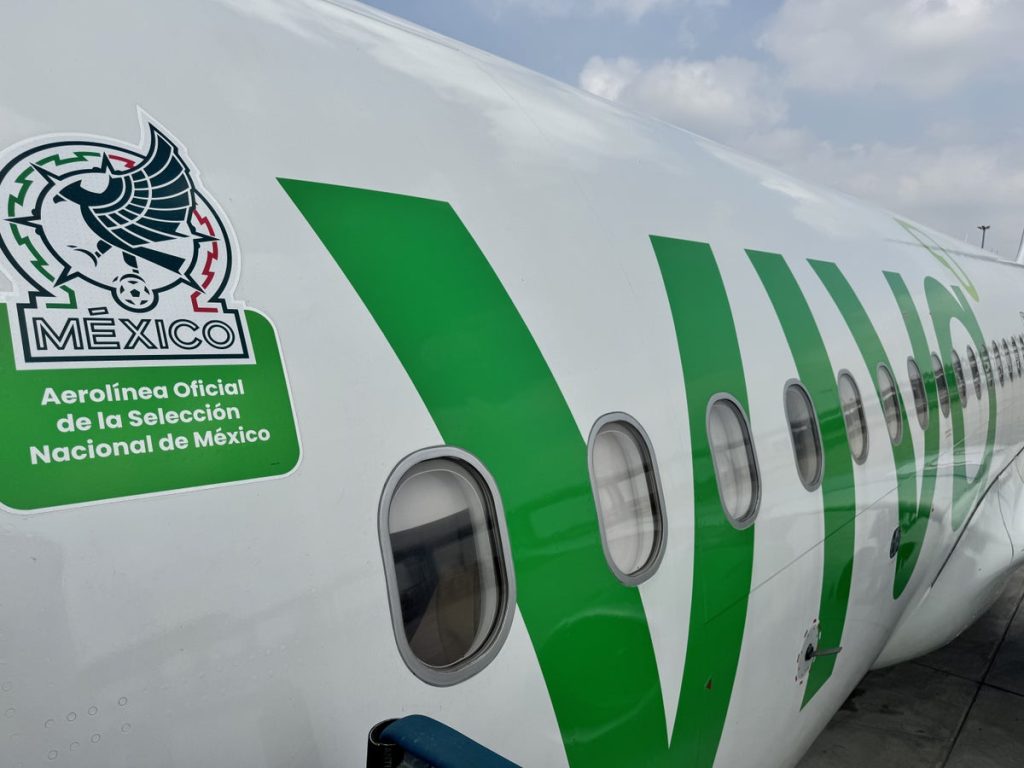
Low-cost airlines have their fans and their haters, but I’m rather indifferent. As an airline-agnostic traveler, I want a flight from A to B at the right time and for the right price.
Viva Aerobus fit that bill, and I flew between Dallas and Monterrey, in Mexico’s Nuevo Leon state, in late April 2026. The experience was mostly positive, but that’s also because it wasn’t a long flight.
While I’d shy away from the carrier’s longest flights for the sake of seat comfort, my 2-hour trip gave me a good impression.
Booking Viva Aerobus
Viva Aerobus is a low-cost airline and offered 3 fare types for my one-way flight between Dallas (DFW) and Monterrey (MTY) — a flight just under 2 hours. The 3 options were Zero (the basic fare with no inclusions), Switch, and Smart (the premium option with carry-on and checked luggage, seat choice, and more).
The Zero fare cost $93.62 for my trip.
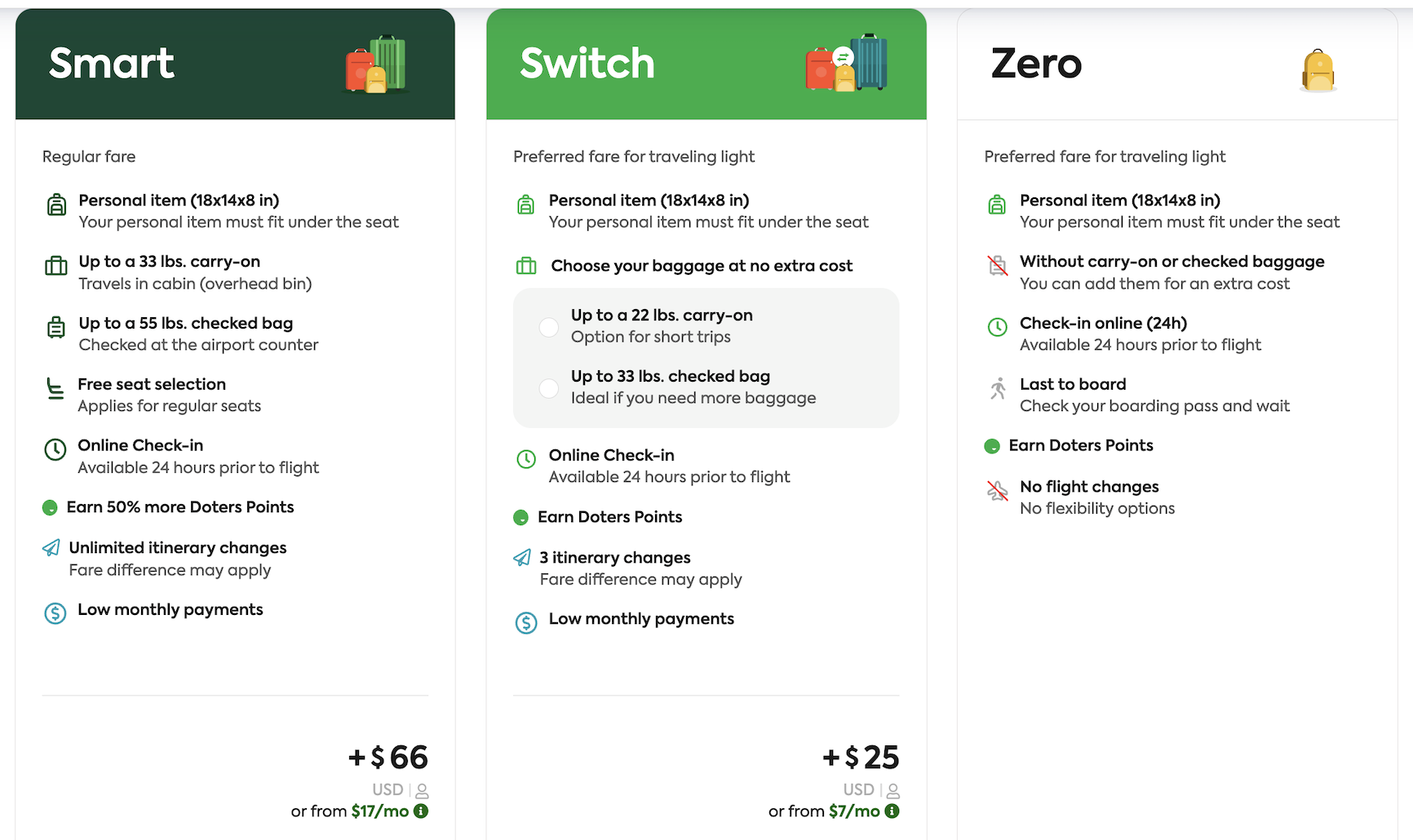
I paid $189 total, based on choosing the midtier Switch fare and adding extra weight allowance for my baggage; that’s because the baggage inclusion only covered 33 pounds, but I was living out of a suitcase as a digital nomad and needed a 50-pound limit. In total, I had $38 of add-ons and then $57 in taxes and fees.
I didn’t pay to choose a seat, hoping to get lucky or just suck it up for 2 hours if I wound up in a middle seat. Seat choices with the Zero and Switch fares started at $12 for middle seats at the time of booking, while better seats were available for $16 or $19 per person. During check-in, prices rose to $19 to $22, depending on the seat.
Adding extra baggage weight also had fees:
- 11 pounds extra: $7
- 55 pounds extra: $13
- 71 pounds extra: $18
Meanwhile, optional fees I saw during the booking process included:
- Viva Bus (city transport from the airport): $9
- Pet in cabin: $79
- Pet in cargo hold: $72
- Travel insurance: $8
- Make fare refundable: $30
I paid for the ticket with my Platinum Card® from American Express to earn 5x points on the booking (up to $500,000 of airfare purchases from airlines or at AmexTravel.com annually, then 1x points).
What’s It Like Flying Viva Aerobus?
I downloaded the Viva app (iOS, Android) and received a notification to check in 24 hours in advance. After going through the steps and scanning my passport, I couldn’t receive my boarding pass — likely because I had a one-way booking for an international trip.
I chose not to pay for a seat at the time of booking or check-in. For the 2-hour flight, it seemed the plane wasn’t full, so I was willing to test my luck. I was assigned a middle seat, as expected, but I thought there would be empty seats to move to during the flight, based on the seat map.
Airport Check-In Was Decent
Since I had baggage to drop off, I didn’t mind visiting Viva’s counter at DFW’s Terminal D. There was a separate line for those who’d booked Express Check-In. Other passengers got in the second line, regardless of what services anyone needed.
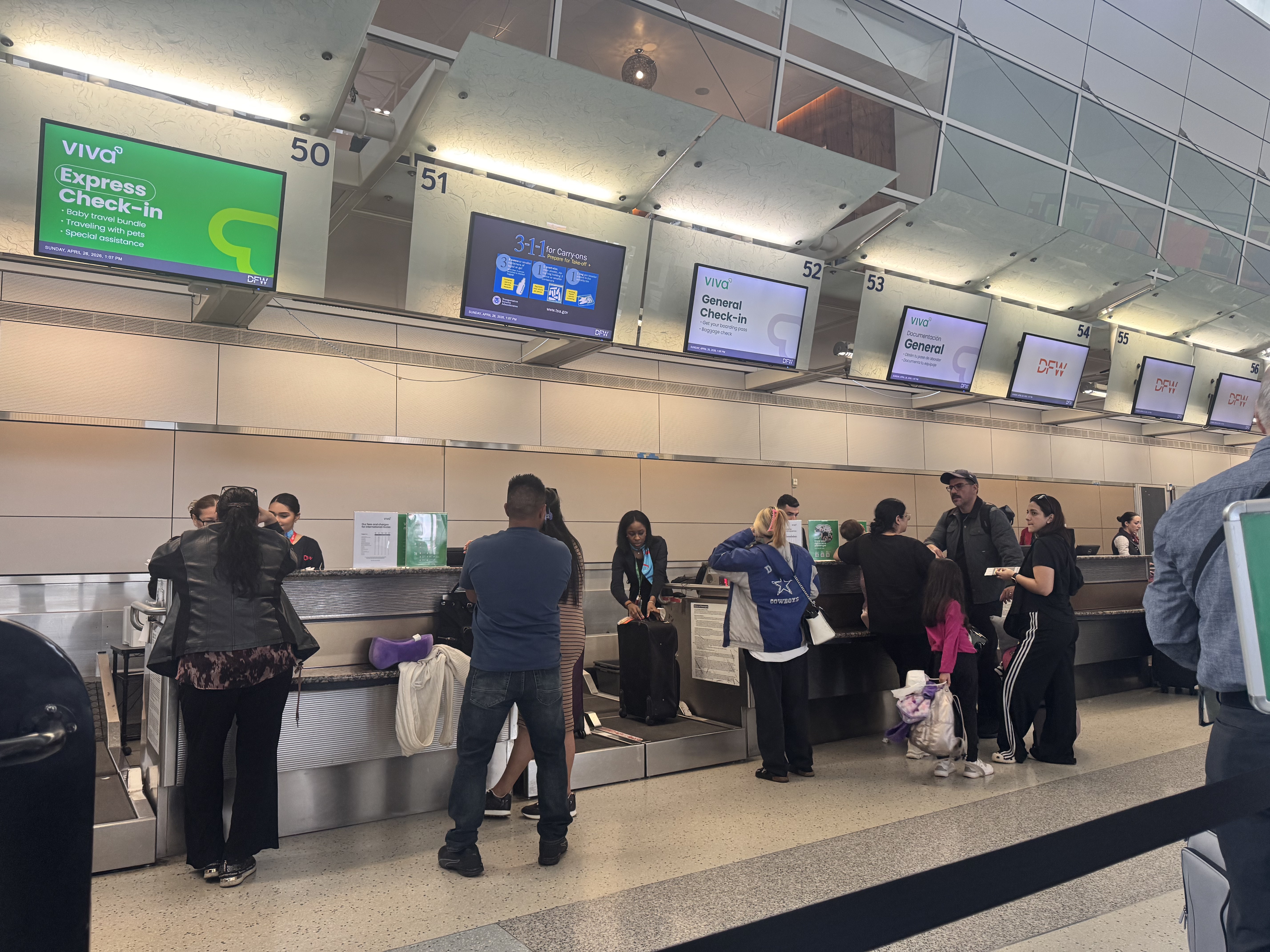
Before walking away, I ensured my boarding pass showed TSA PreCheck, which Viva participates in.
Boarding Was Strange
Signs in the boarding area indicated lines for boarding groups. People followed these. Then we went downstairs and got on buses. The boarding groups became irrelevant when multiple groups were put onto the same bus.
We were driven to the remote stand where our plane sat. Each bus opened only the front door (out of 3), so those of us at the rear of the bus got out last and stood in line outside, waiting for the preceding passengers to get inside the plane.
Rather than climbing stairs up to the plane, we used a multitiered, covered ramp. Between this and the normal slowdowns of boarding an aircraft, I spent a lot of time in the hot sun.
Pretty Good Cabin and Seats
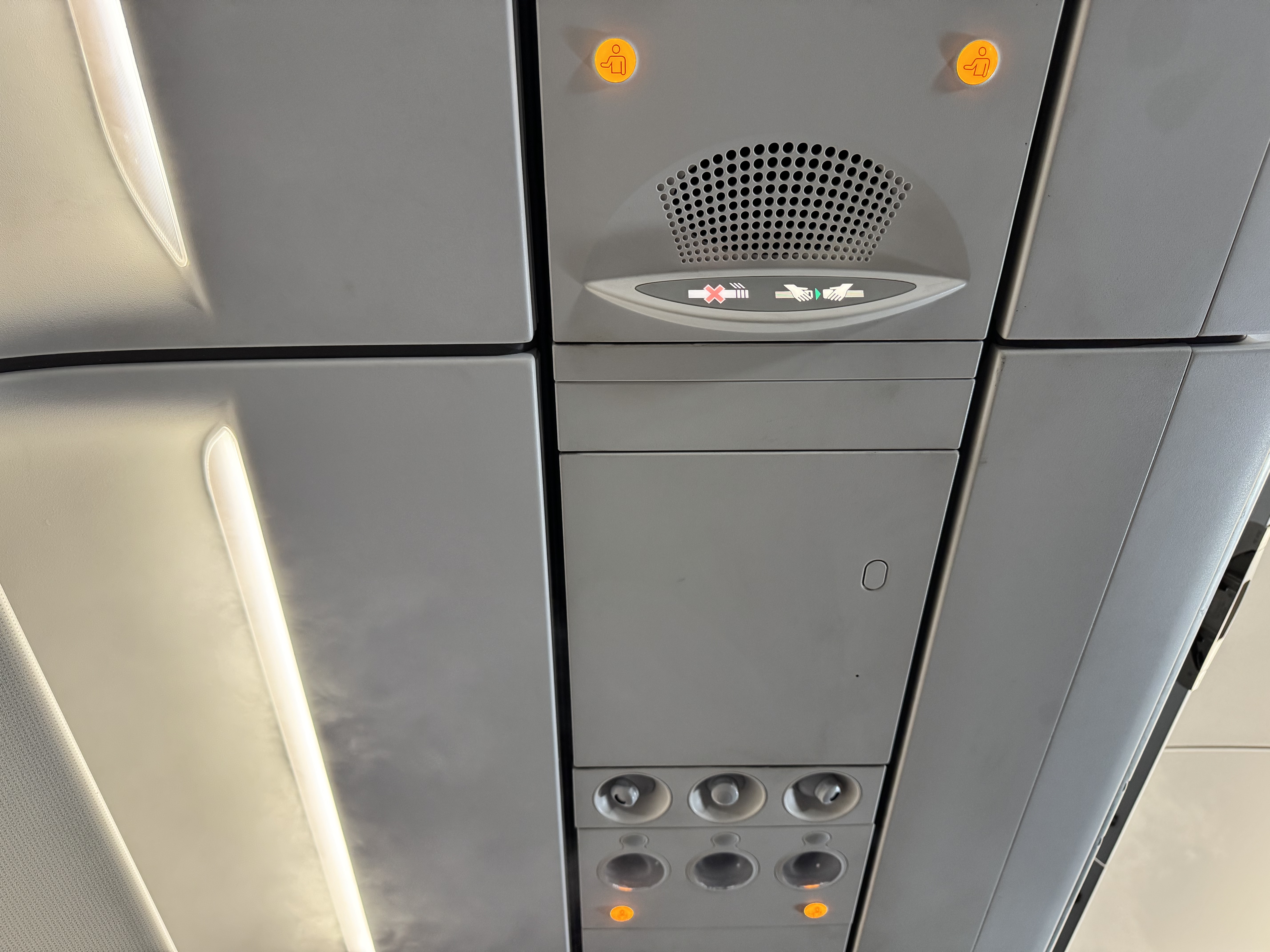
Viva’s Airbus A320neo plane used a 3-3 seating layout. It looked clean and modern. The seats weren’t overly comfortable, though, and I wouldn’t want to sit on one of them for a long time.
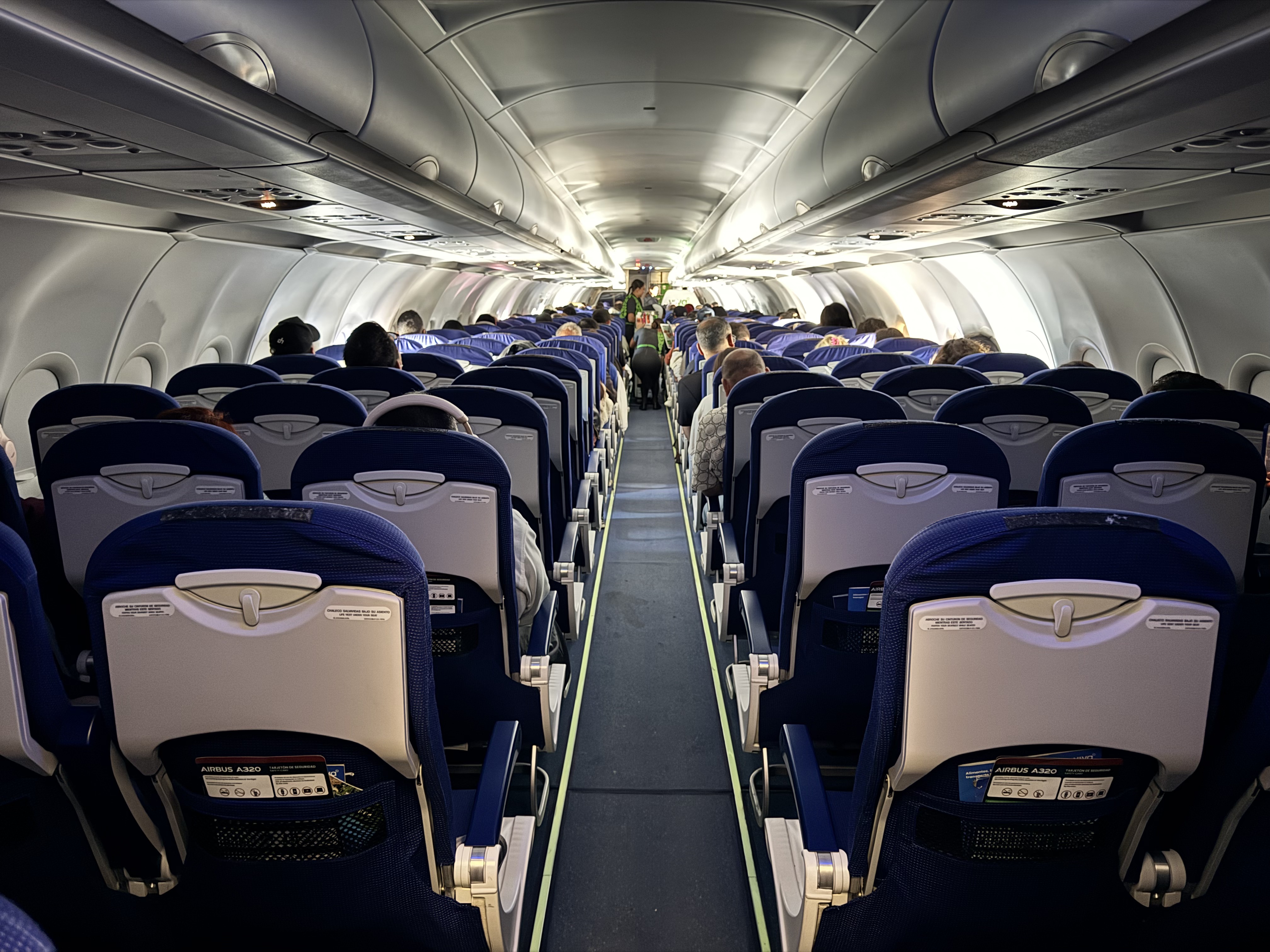
Seats had a blue cloth covering and were simple. While priority seats had 30 inches of pitch (the spacing between rows), economy seats had 28 to 29 inches.
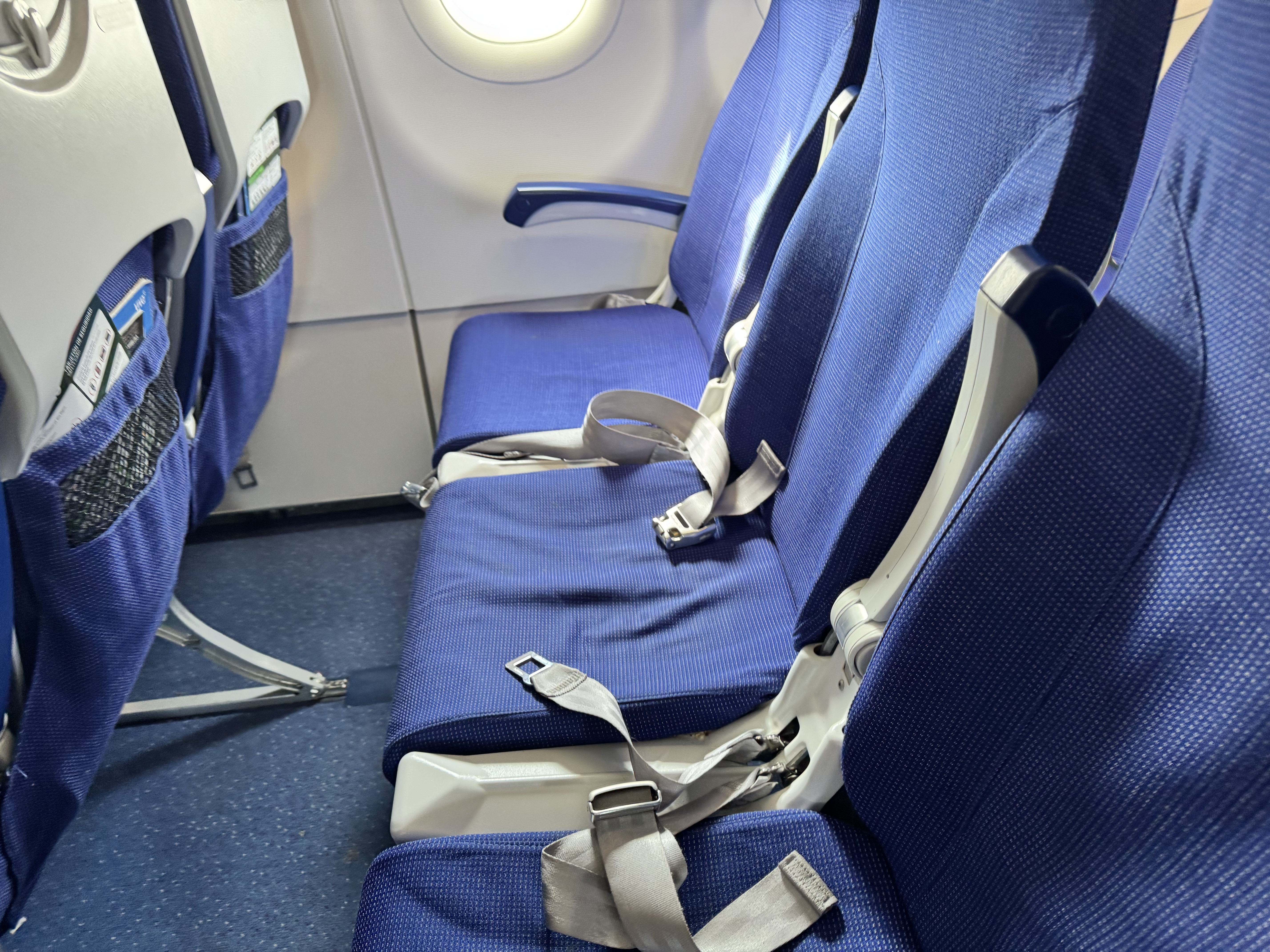
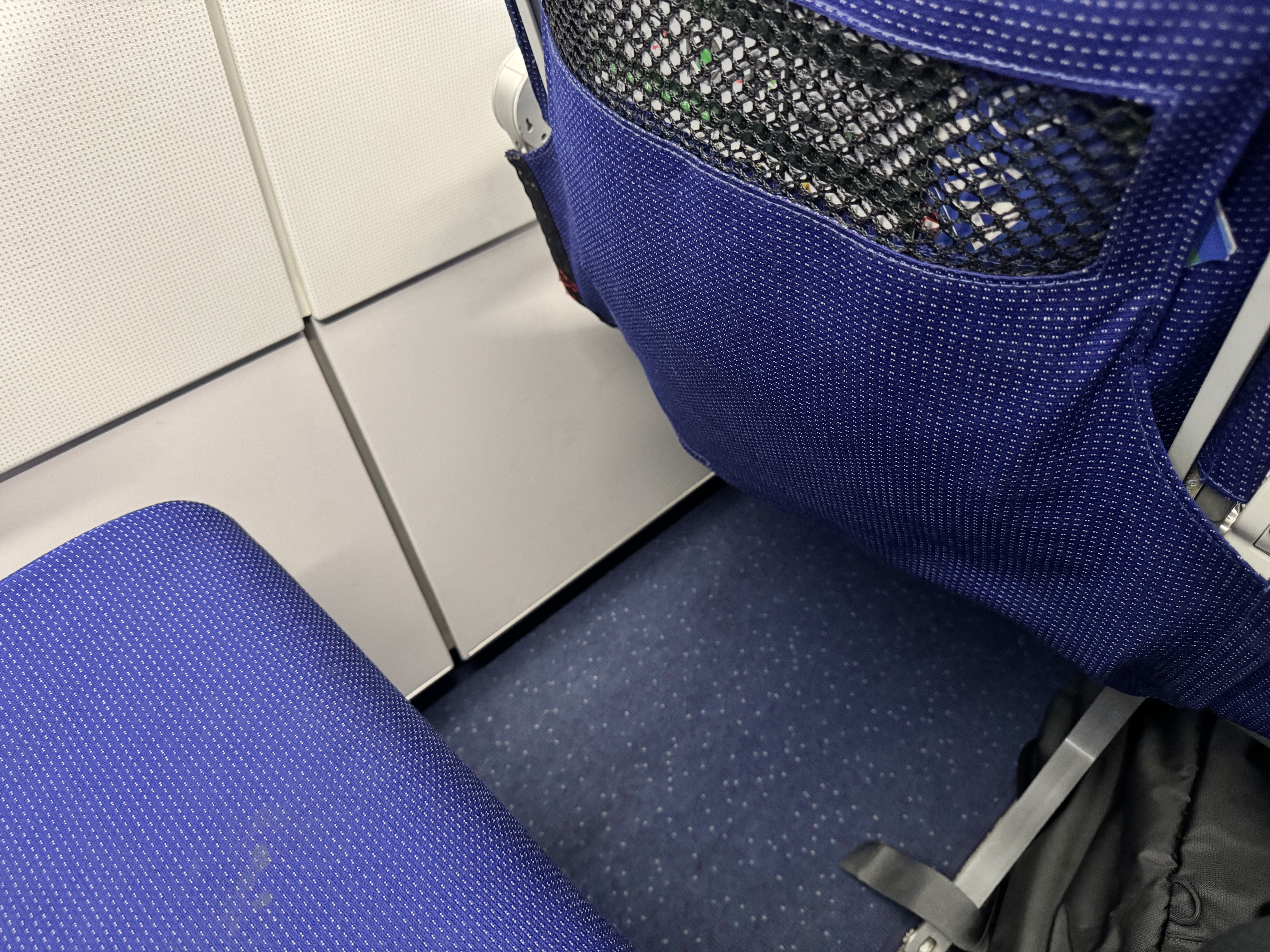
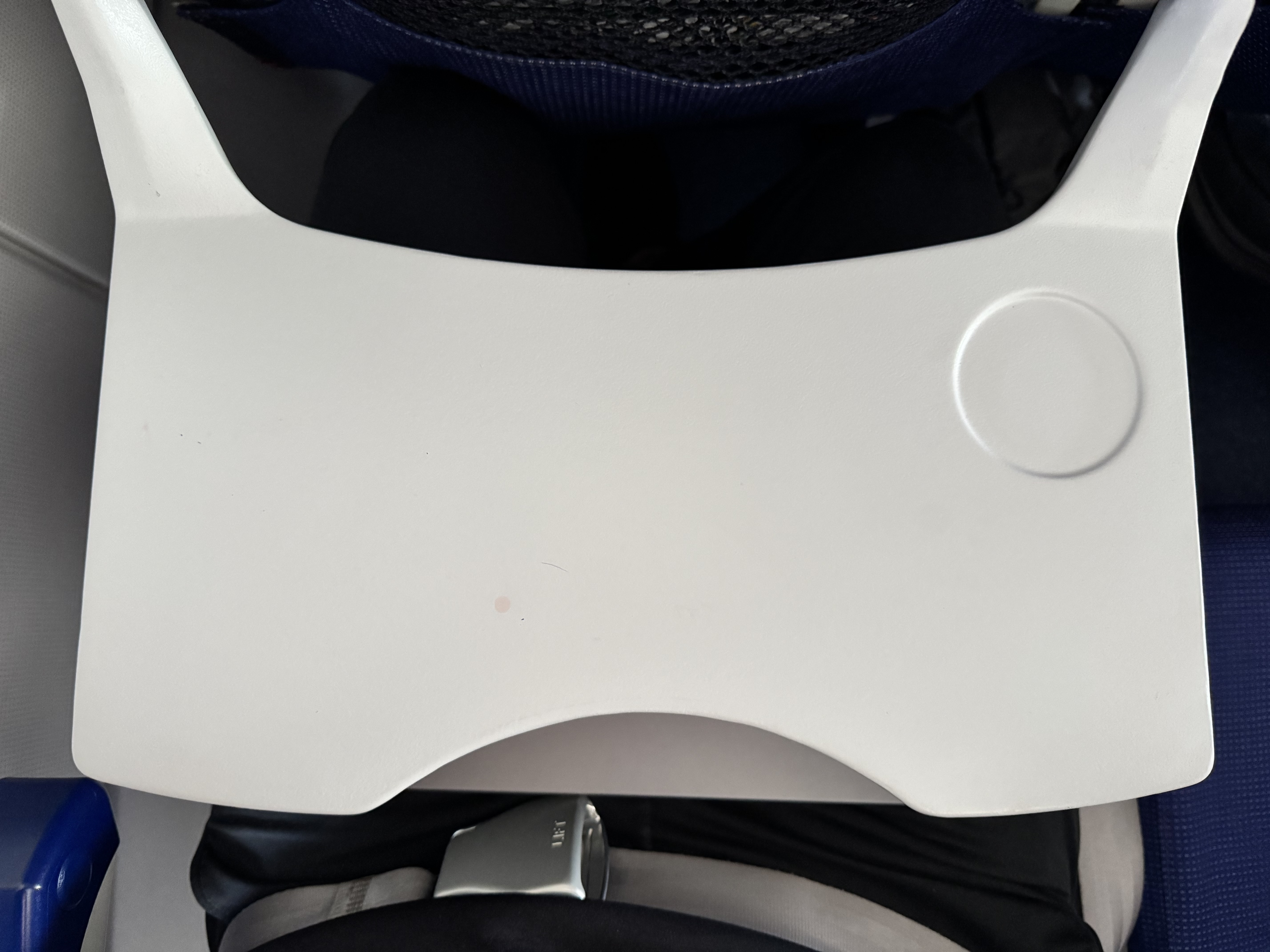
Seats had a seatback pocket and a tray table but no other features — no screens or device holders here. The tray table was sturdy and a fair size.
Lavatories Were Clean and Organized
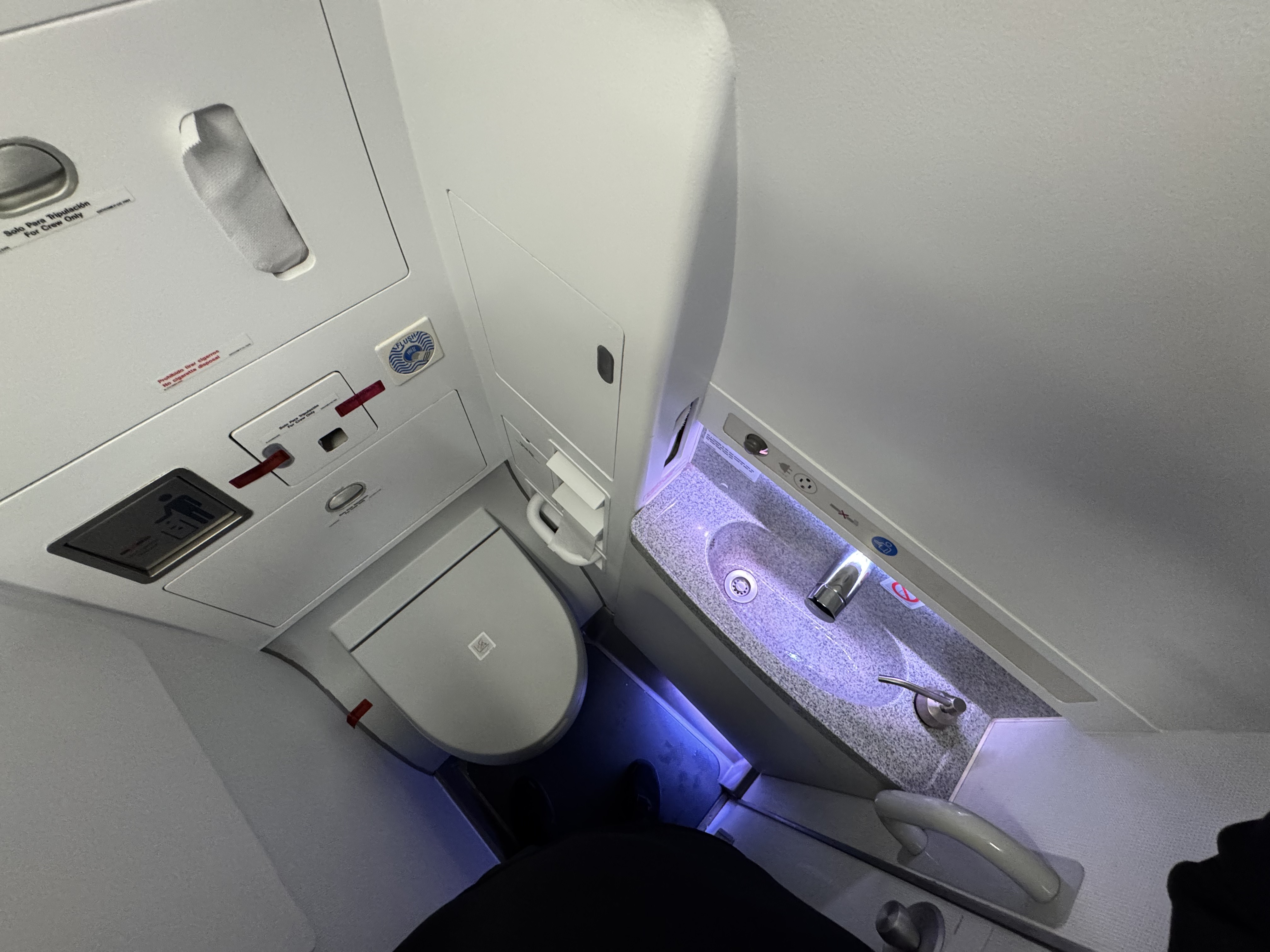
The plane had a lavatory at the front, next to the cockpit, and there were 2 lavatories at the rear of the cabin. These didn’t have any special features, but the crew kept them tidy.
Snacks and Drinks Came at a Price
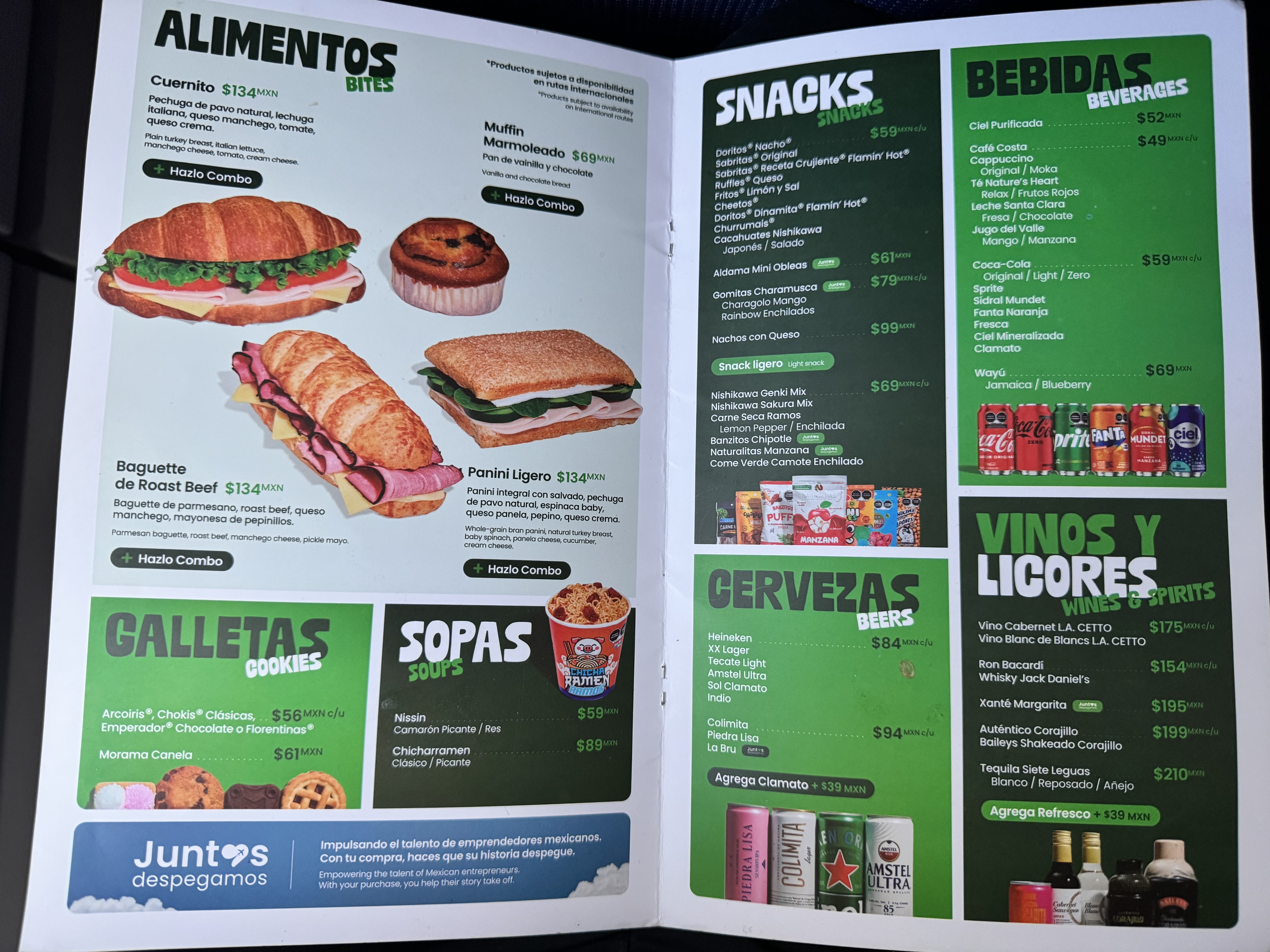
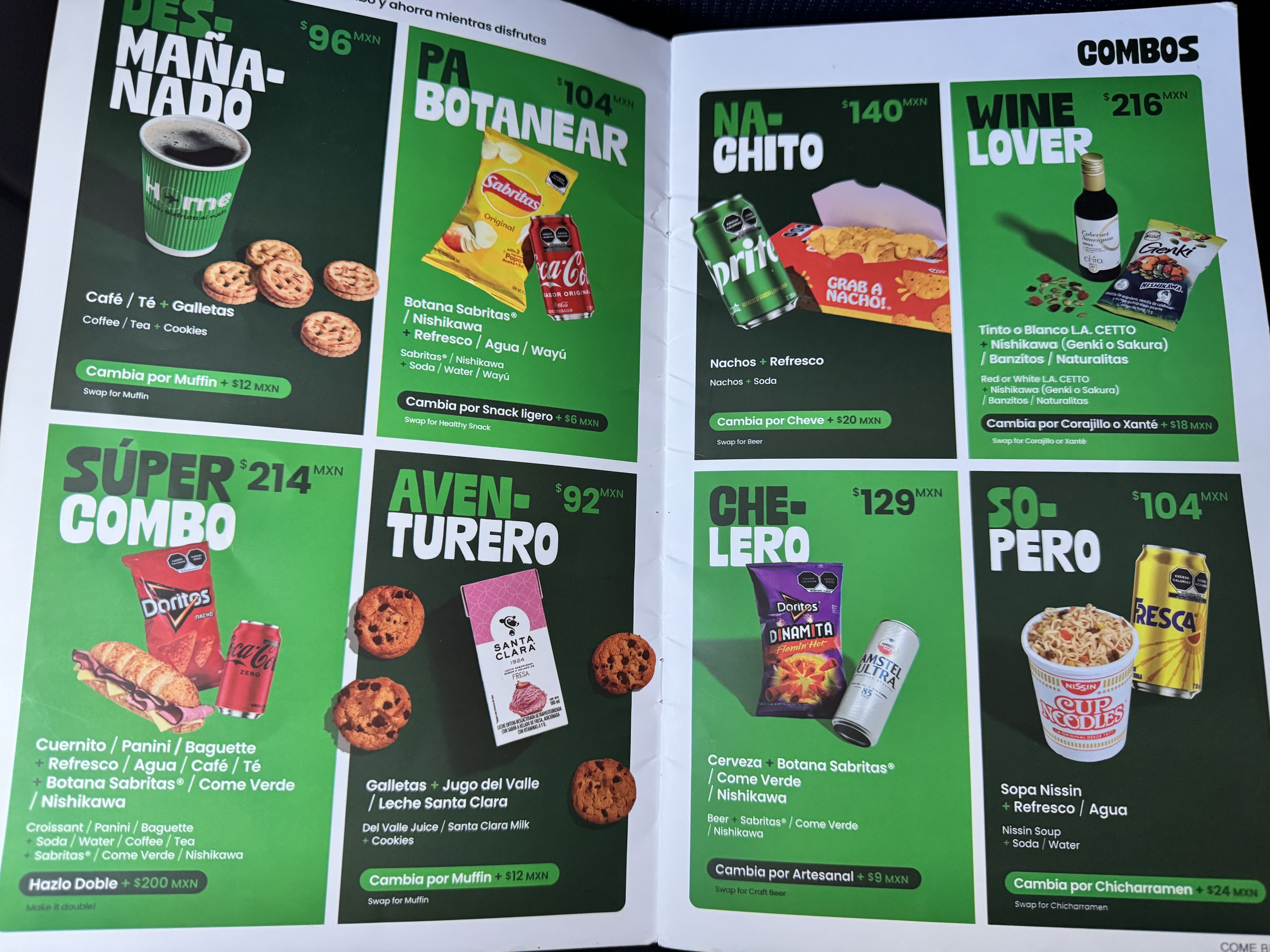
As a low-cost airline, Viva doesn’t offer complimentary drinks or snacks, and there was no discount available with the Smart fare. If you wanted to eat or drink something, you needed to bring it or pay full price.
The seatback pocket had a menu, and prices were listed in Mexican pesos. There were sodas, sandwiches, wines, beers, cookies, and more. The inflight menu even had options for booking onward transportation, including travel time and prices. That was a notable feature.
Deplaning Was Efficient
When we landed in Monterrey, the crew made the necessary announcements about our arrival process as we taxied to the gate. They didn’t overdo it; they just gave us the necessities. Brownie points for that.
When we pulled up to the gate, staff reminded passengers that we needed to clear passport control and reminded us to check the seat pocket before leaving. Then we stood up and got off the plane — no confusing exit process where some passengers stood up while others stayed seated, like some airlines are doing now.
That meant we left the plane quickly, as passengers knew what to do.
Final Thoughts
I thought my Viva Aerobus flight was good. We left on time, everything was clean, and the flight attendants were friendly during my limited interactions with them.
The boarding process was odd, and the seat wouldn’t be very comfortable for a long-haul flight, but it was good enough for a 2-hour trip.
Would I fly Viva Aerobus again? Sure.