
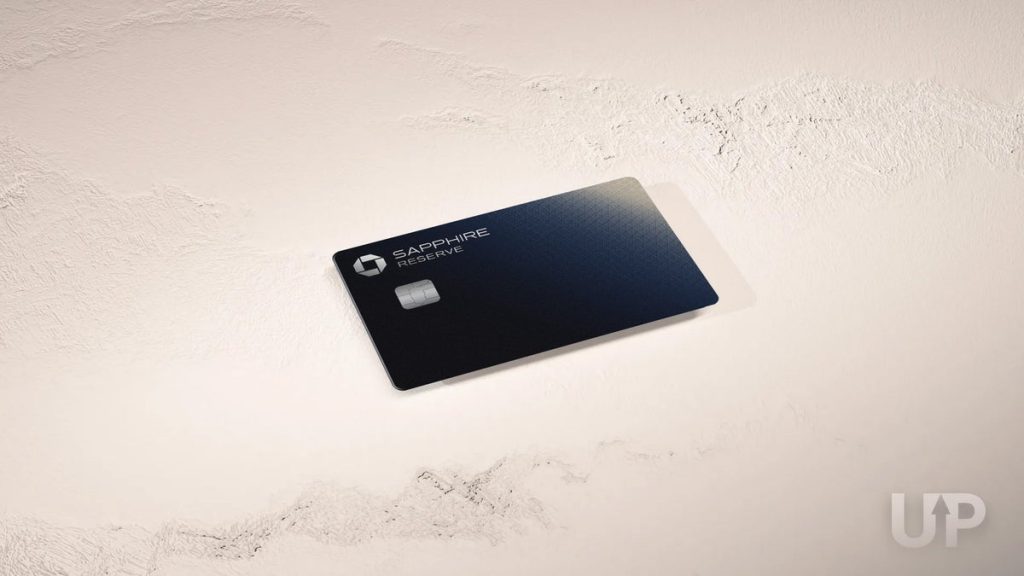
When the Chase Sapphire Reserve® launched in 2016, it quickly became one of the most sought-after cards for its unprecedented combination of travel perks, a large welcome offer, and a relatively modest annual fee.
How has the card’s annual fee evolved since its debut? Let’s take a look at how it started — and where it stands today.
As of 2026
The Chase Sapphire Reserve card has a $795 annual fee, which was raised in June 2025 (Source: Chase).
While this places it firmly in the premium card category, it still undercuts competitors such as the Platinum Card® from American Express, which charges a $895 annual fee (rates & fees).
Cardholders receive valuable benefits, including an up to $300 annual travel credit, up to $500 hotel travel credit for The Edit, Priority Pass lounge access, and valuable travel protections, which can easily offset the cost for frequent travelers (Source: Chase).
Chase Sapphire Reserve Card’s Annual Fee Changes
At its launch in 2016, the Chase Sapphire Reserve card carried a $450 annual fee, which was widely considered competitive given its premium travel benefits and generous rewards structure.
Since then, the card’s annual fee has increased twice as Chase has expanded its benefits and repositioned the card in the premium space. Let’s take a closer look at how those changes have unfolded over time:
|
Year |
Annual Fee |
Change |
|
Current annual fee (October 2025 to now) |
$795 |
+45% |
|
2021 to 2025 |
$550 |
+22% |
|
2016 to 2020 |
$450 |
N/A |
That price held steady until January 2020, when the annual fee was increased to $550, marking the first major adjustment to the card’s cost. This change coincided with the addition of new perks, including partnerships with DoorDash and Lyft, helping offset the higher fee for many cardholders.
More recently, in 2025, the annual fee was raised again — this time to $795 — as part of a broader refresh that introduced new statement credits and lifestyle-oriented benefits (Source: Chase).

From launch to 2026, the annual fee has increased by $345, a nearly 77% jump over the card’s lifetime.
Chase Sapphire Reserve Card Authorized User Fee Changes
The cost of adding authorized users has also increased over time as the card has evolved.
At launch in 2016, adding an authorized user cost just $75 per card, making it a relatively affordable way to share benefits like airport lounge access.

That pricing remained in place for several years, but as part of the card’s 2025 refresh, the authorized user fee was increased to $195 per card. That brought it more in line with other premium cards, making it significantly more expensive for households looking to share benefits (Source: Chase)
Here’s how the authorized user fee has changed over time:
|
Year |
Authorized User Fee |
Change |
|
Current authorized user fee (June 2025 to now) |
$195 |
+160% |
|
2016 to 2025 |
$75 |
N/A |
Overall, adding authorized users is considerably more expensive today than it was when the card first launched.
Is the Chase Sapphire Reserve Card Worth It?
With an annual fee of $795, the Chase Sapphire Reserve card is now firmly positioned at the high end of the premium credit card market.
For frequent travelers, the card can deliver strong value. The $300 annual travel credit effectively reduces the out-of-pocket cost, while perks like Priority Pass access, Chase Sapphire Lounges, and strong travel protections provide additional savings and convenience.
Perhaps the biggest draw for new applicants is the ability to score a generous welcome bonus offer:
- Earn
125,000150,000 bonus points after you spend $6,000 on purchases in the first 3 months.
That said, the card has clearly shifted from a straightforward premium travel card to a benefits-driven product, where maximizing value depends on how many credits and perks you use.
For those who can fully take advantage of the benefits, the $795 annual fee may still be justified. For others, it may feel like a stretch compared to earlier versions of the card.
Final Thoughts
The Chase Sapphire Reserve card has changed a lot since its 2016 debut. In less than a decade, we’ve seen multiple annual fee increases alongside a steady expansion of credits and premium perks.
Even so, many travelers still find the card valuable — if they can maximize its benefits. As Chase continues to refine its flagship product, we’ll be keeping a close eye on what comes next.