
I’ve wanted to visit Japan for as long as I can remember, and I planned a nearly 2-month trip with a mix of accommodations and travel styles, from the Shinkansen bullet train to JAL’s domestic first class, and from traditional Japanese ryokans to a stay at the Park Hyatt Niseko.
I came across Caption by Hyatt Kabutocho Tokyo while researching a last-minute 4-night stay in Tokyo with a long-time travel pal of mine, Sonny. After a great experience at the Caption by Hyatt Central Sydney in Australia at the start of the year, I was confident we’d enjoy our stay.
Less than a year old and fairly budget-friendly, this hotel was a good choice for a couple of nights’ comfortable sleep between exploring.
1. The Price Point Is Good for the Area
As it was our first time in the Japanese capital, we split our stay into 2 blocks of 2 nights, based in 2 different areas. First, we stayed at DDD Hotel on the periphery of Asakusabashi, followed by 2 nights at Caption by Hyatt Kabutocho Tokyo.
I didn’t have enough points to book the stay, as we Brits sadly don’t have a way to transfer our credit card points to our World of Hyatt accounts. The only way I can earn Hyatt points is by staying at hotels — the very slow (and more expensive) method.
Our 2-night stay in a twin-bed, high-floor room cost $504. I paid using my U.K.-issued Platinum Card® from American Express. Redemptions for this Category 5 property are around 20,000 points throughout the year, which is an excellent value.
Given that the area is dominated by ultra-luxe properties like Aman Tokyo, Bvlgari Hotel Tokyo, and Four Seasons Hotel Tokyo at Otemachi, Caption by Hyatt Kabutocho Tokyo is a great option for business travelers and tourists seeking a great-value alternative.
2. The Location Is Suited to Business and Transit
We liked the location because it was easy to reach other parts of the city.
If you’re coming into the city via Shinkansen, then Tokyo’s main station is about a 10-minute cab ride away. Nihonbashi and Kayabacho Metro stations are within walking distance, bringing the hotel within easy reach of the Asakusa, Ginza, Hibaya, and Tozai lines.
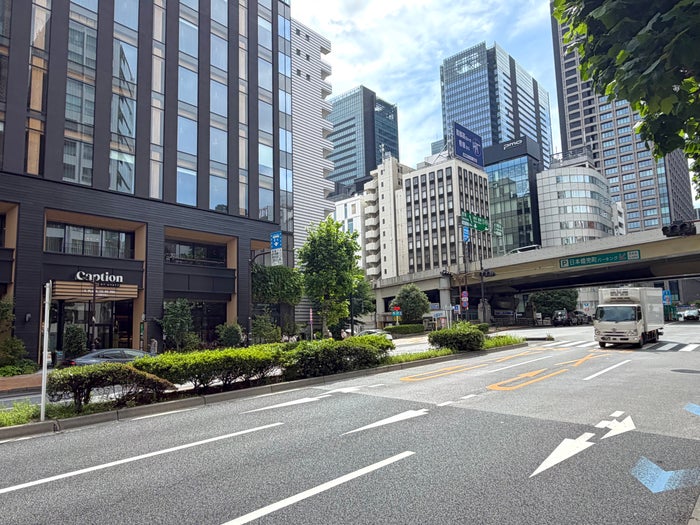
The area is also great if you’re visiting the city for business, as the hotel is surrounded mainly by office buildings. On an evening, the streets had a pleasant calm about them — worlds away from the bright lights and chaos of Shinjuku.
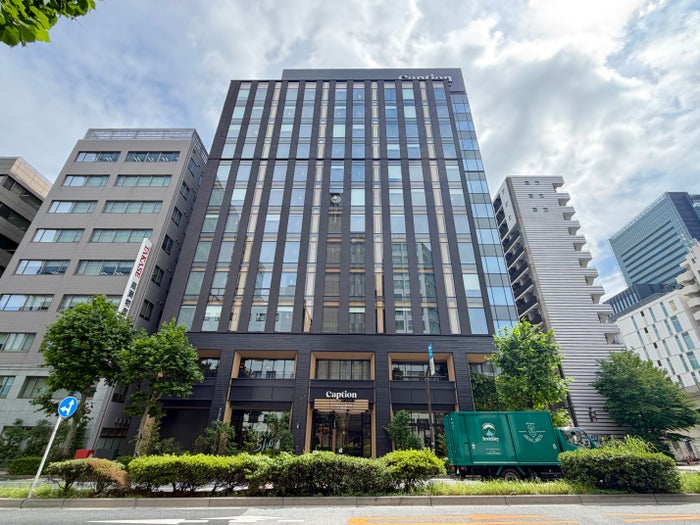
The only thing to consider is that if you want to be immersed in Japanese culture for your whole stay, this probably isn’t the hotel for you. Stepping outside, you could be in any Western city with skyscrapers. In fact, it reminded me most of New York.
3. Staff Are Great, and Proactively Recognized Hyatt Status
Given the self-service, hands-off approach of Caption hotels, I expected interactions with staff to be more transactional, rather than personal. However, I had great conversations with several team members during my short 2-night stay, and the service was excellent from the moment we arrived.
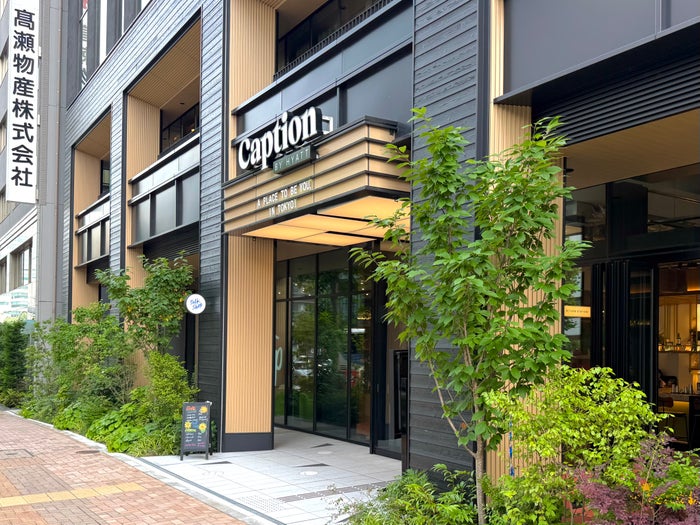
Even though we arrived at 10:15 a.m., our room was ready, and within just a few minutes, we were handed our keys.
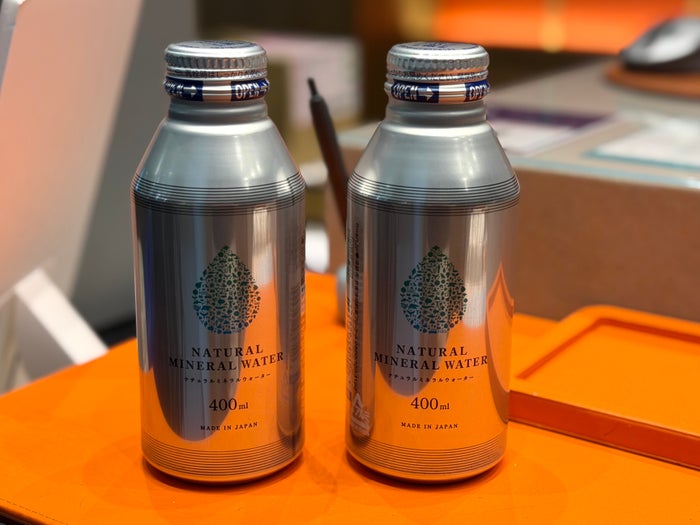
I was thanked for my Hyatt loyalty, handed 2 bottles of water, and told we could come back for more whenever we’d like.
Even though I’ve only hit Discoverist — the first rung of Hyatt’s status ladder — I was also entitled to the following Hyatt elite status benefits during my stay:
- Upgrade to a room on a higher floor or with a better view
- Late checkout up to 2 p.m. (subject to availability)
On the morning of checkout, I had some great chats with Nicholas, from the U.S., and Yannick, from France, at reception. Thanks for your hospitality, gentlemen.
4. Our Room Was Design-Led and Practical
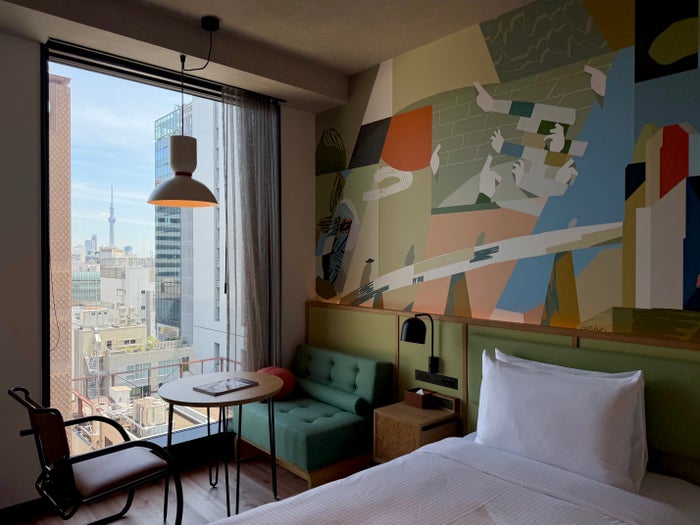
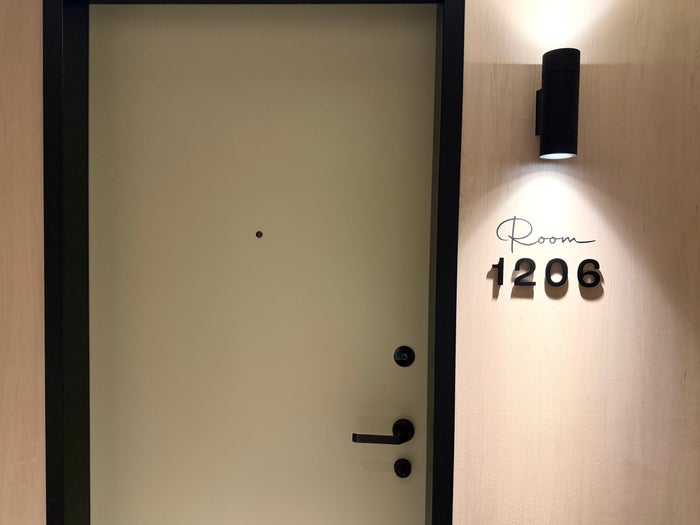
We were assigned room 1206 on the hotel’s top floor.
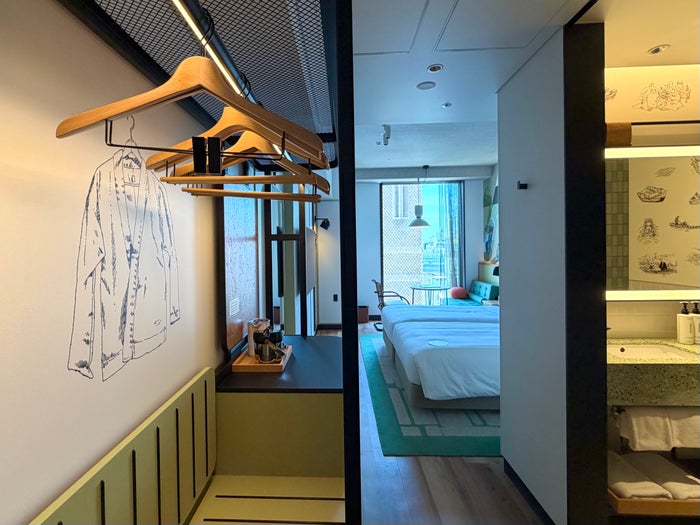
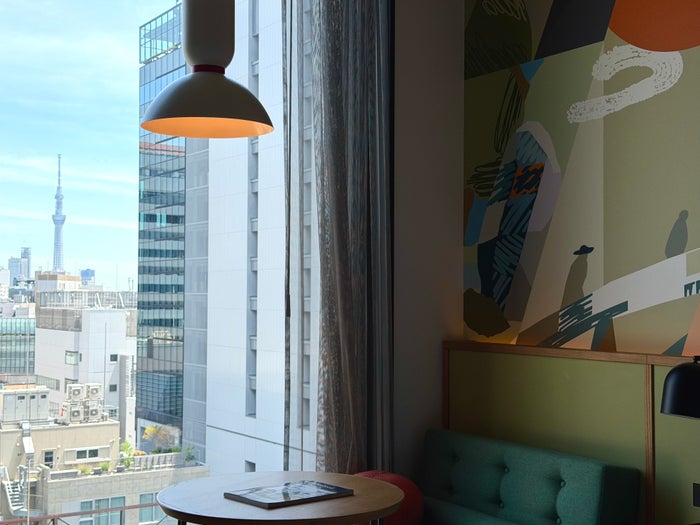
It had a great view of the Tokyo SkyTree. I was so impressed with the view from the room that I double-checked at reception to see if we’d been upgraded. They said it wasn’t technically an upgrade, but that they put us on the highest floor possible because of my status.
Our twin beds were comfortable and didn’t feel too narrow.
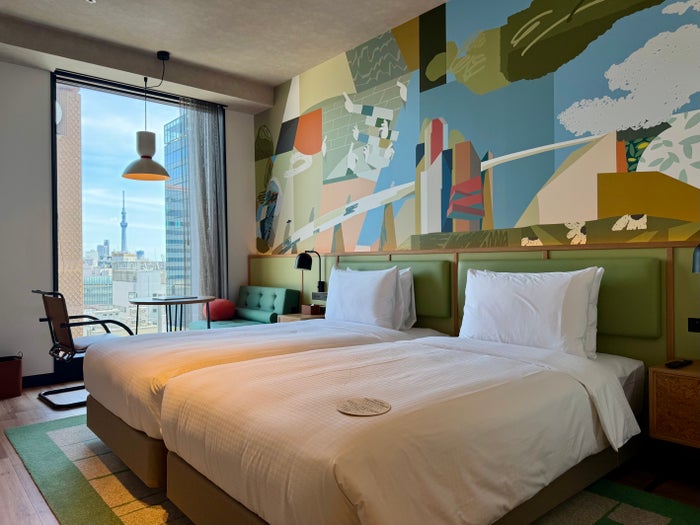
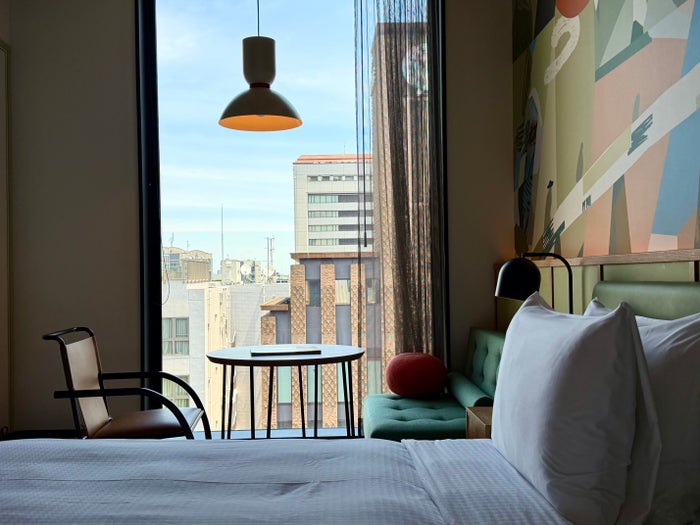
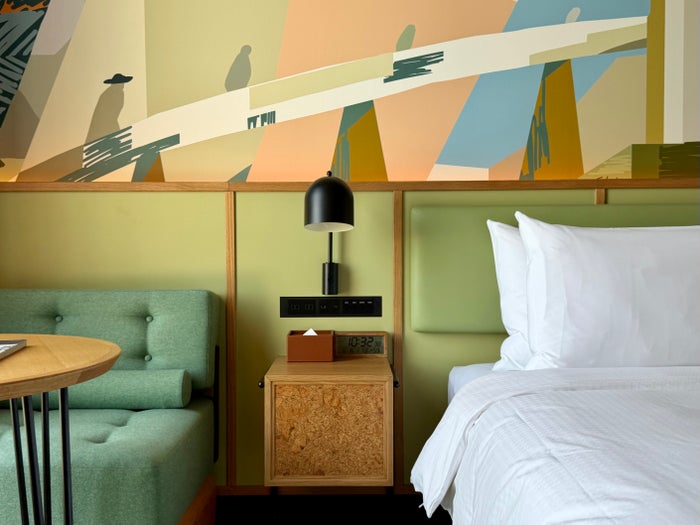
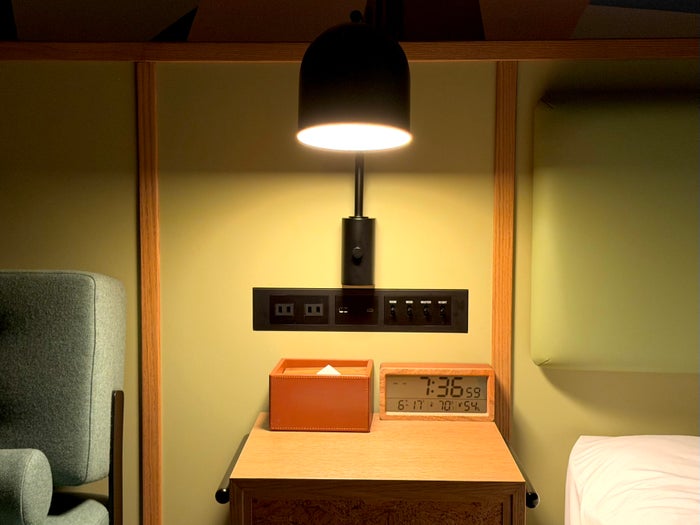
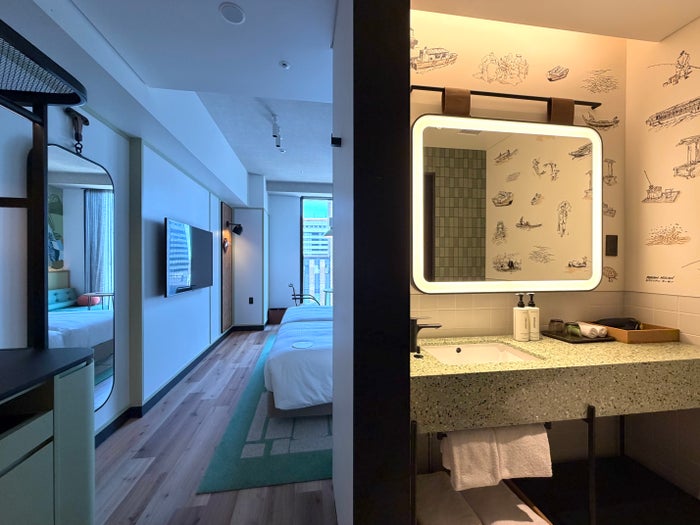
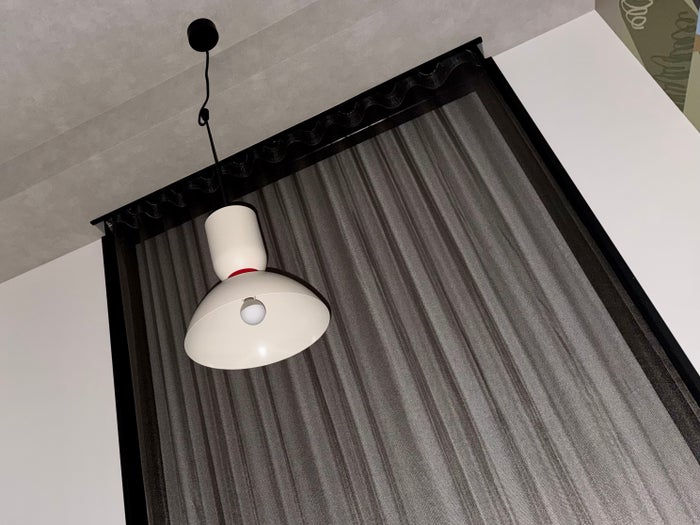
Overall, I liked the room’s design. The colors were bold and worked well together, the furnishings were comfortable and practical when needed, and the lighting could be easily adjusted to suit the mood or time of day. My only concern was regarding the bedside tables, which, despite their appearance, had no interior storage.
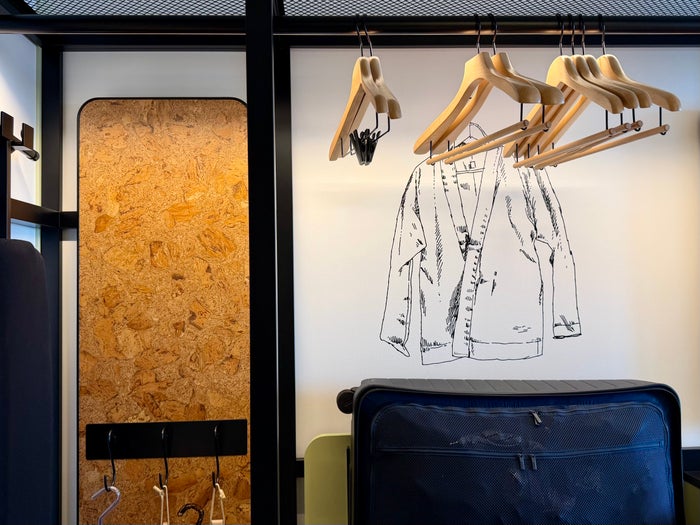
Speaking of storage: I appreciated the luggage shelf built into the exposed wardrobe space that fit my large Away case comfortably.
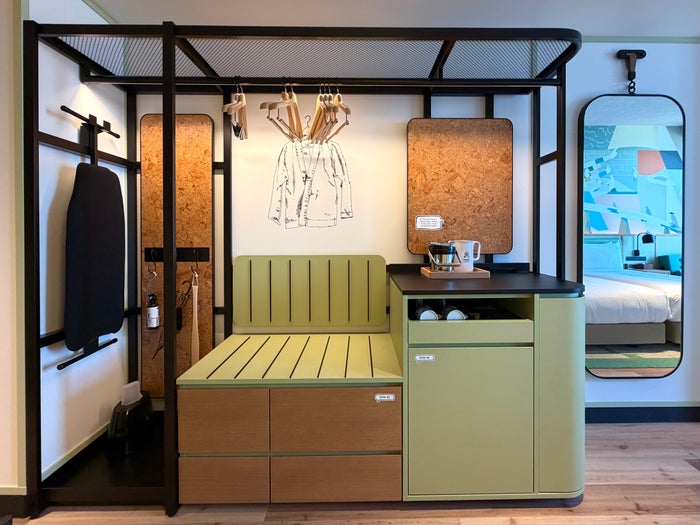
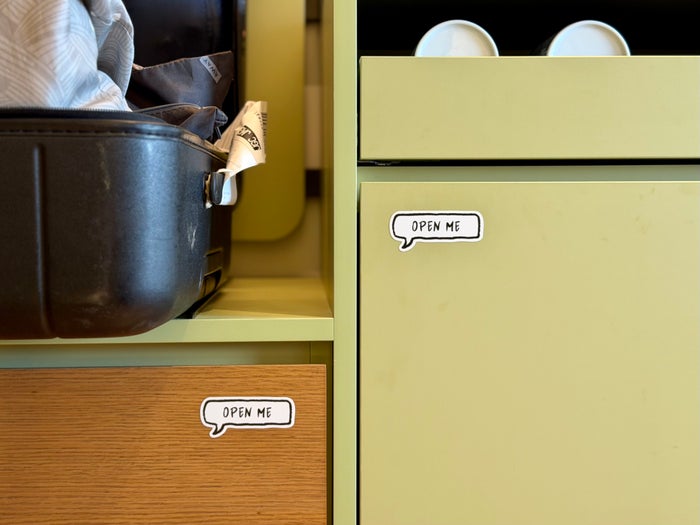
I wasn’t a huge fan of the “open me” labels and thought it looked a bit cheap.
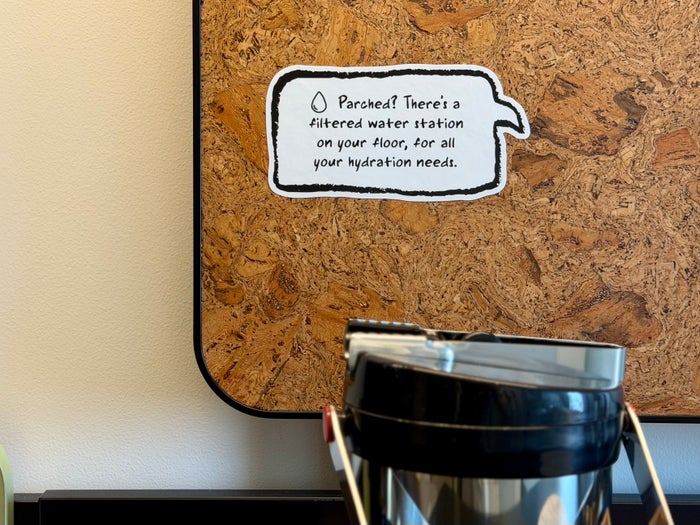
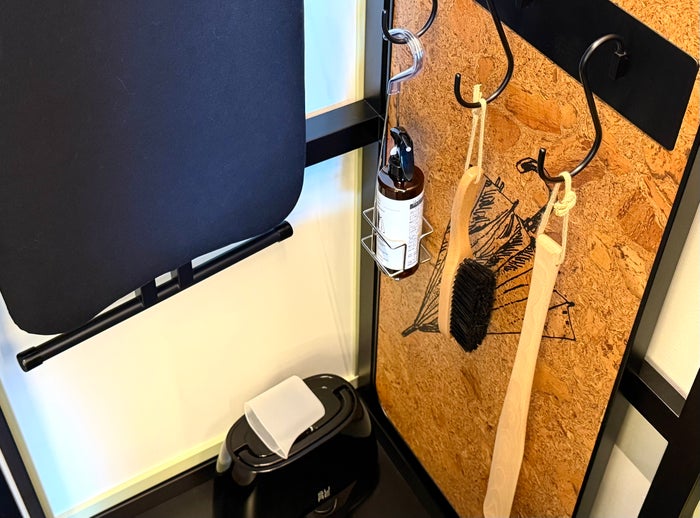
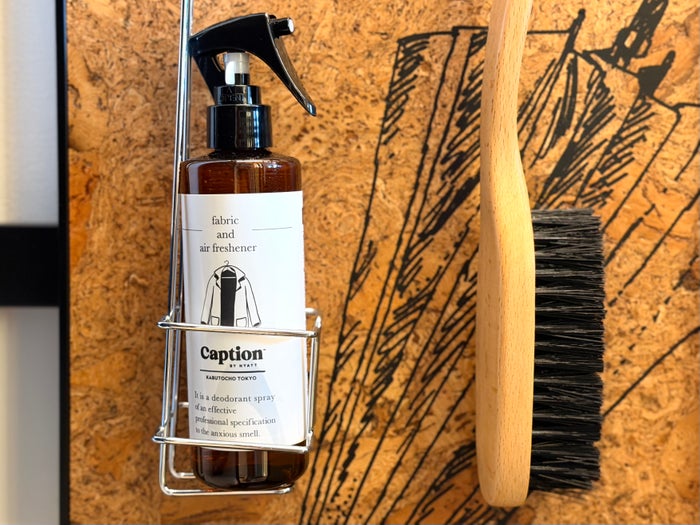
I didn’t notice the shoehorn, shoeshine brush, and fabric/air freshener in the Caption I stayed at in Sydney. It’s customary in Japan not to wear shoes inside, so shoehorns are often provided in hotels and other public places.
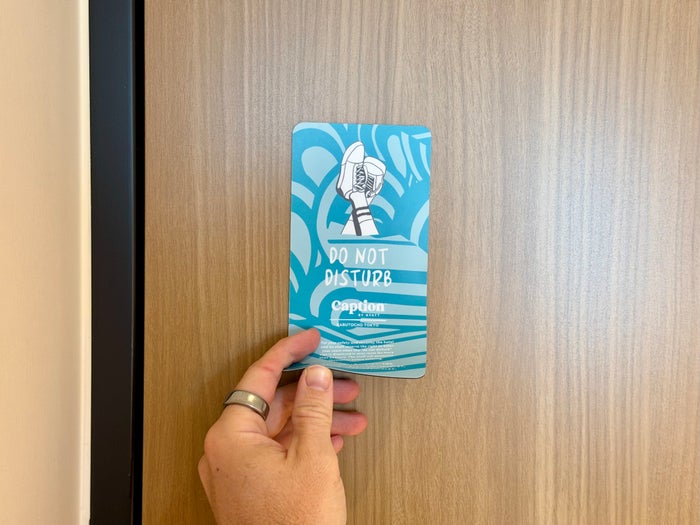
I’ll add magnetic “do not disturb” signs to my growing list of things I’ve only seen in Japan. I’ve stayed in 3 Japanese hotels where these have replaced regular doorknob hangers.
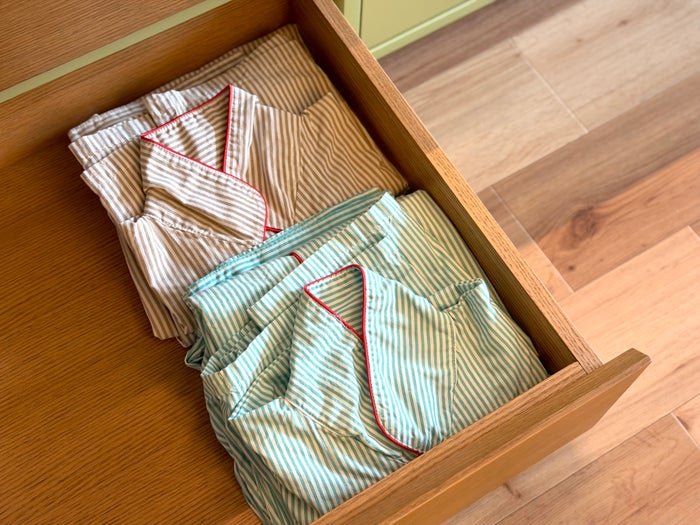
I’ve learned that pajamas are a pretty standard hotel room amenity in Japan. They’re never to take home, and they vary in quality, but I’ve yet to stay in a Japanese hotel without them.
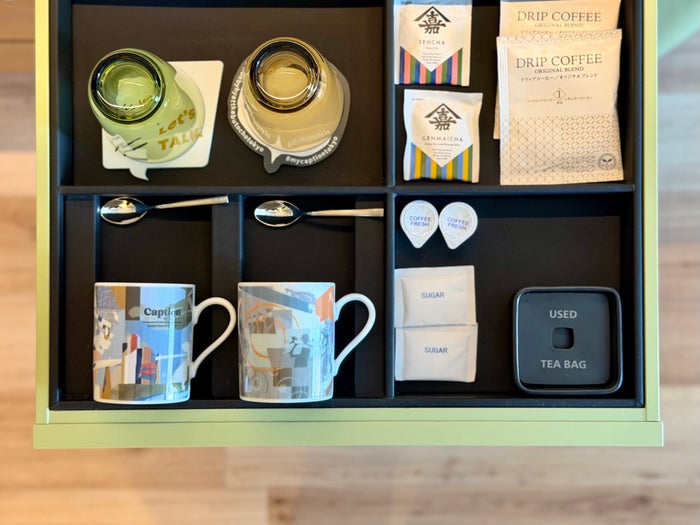
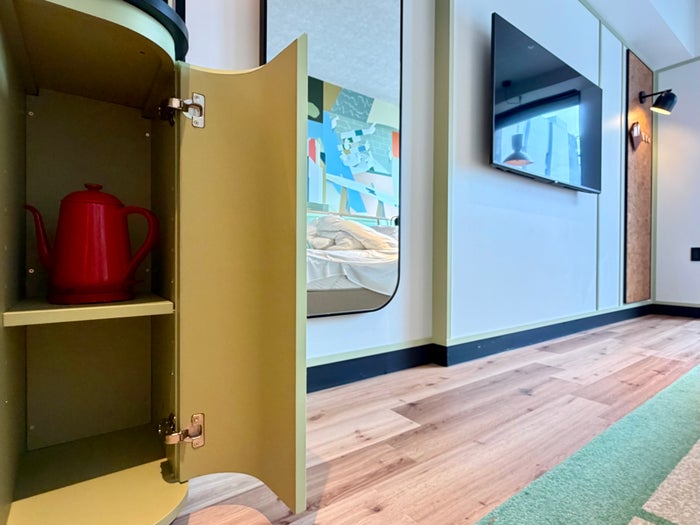
The neatly arranged hot drinks drawer, with its niche-brand coffee and tea, bespoke Caption mugs, and high-quality drinking glasses, was a nod to Caption’s reputation as a premium lifestyle brand.
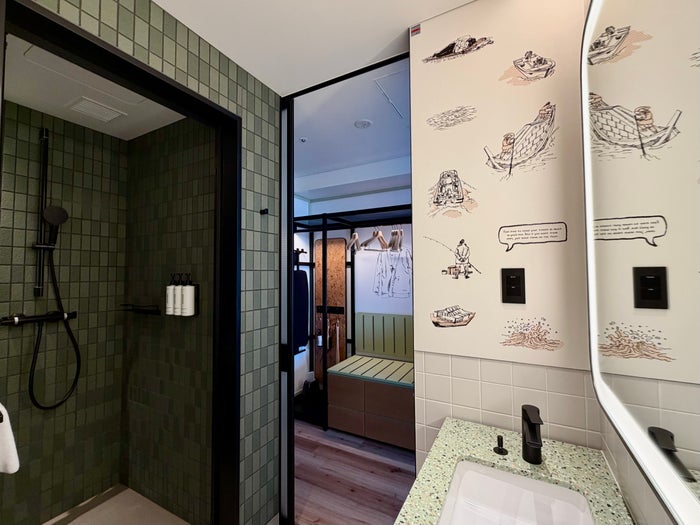
The bathroom was on the smaller side, but I’d prefer to have the extra space in the room, as we did.
Amenities, including toothbrushes, razors, and earplugs, were available at the front desk.
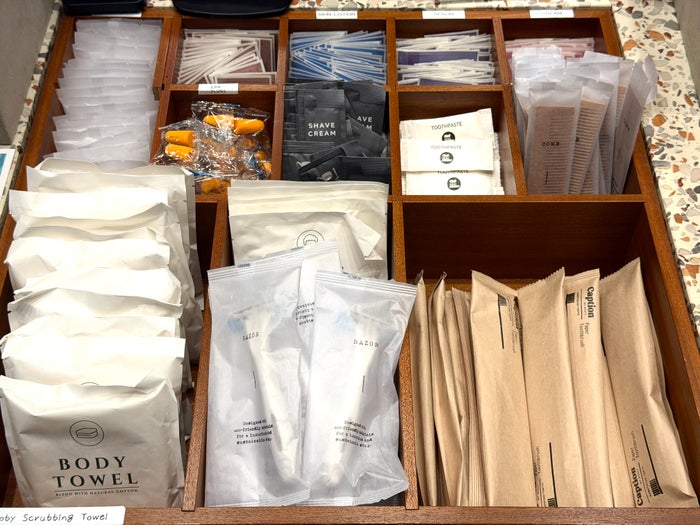
Keeping these items out of the bathroom left more room on the counter.
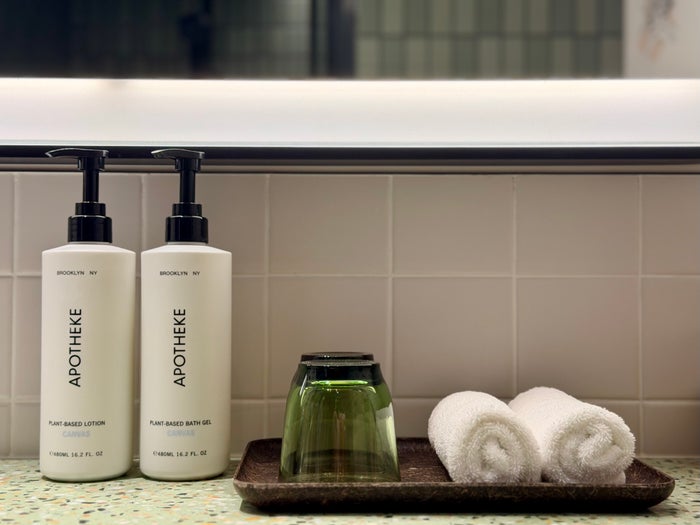
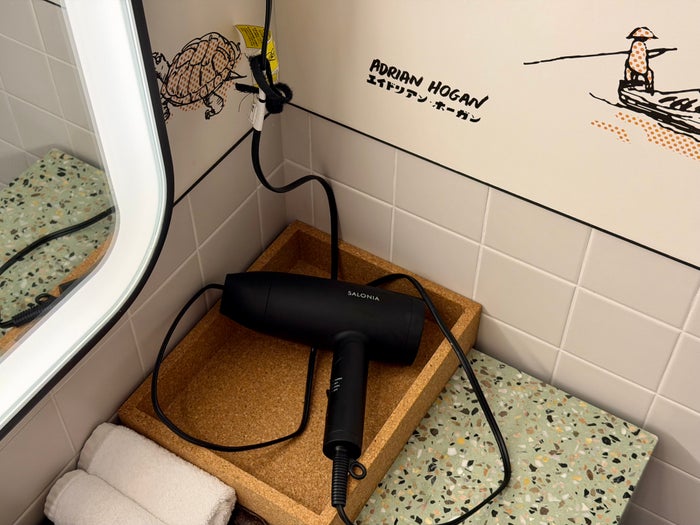
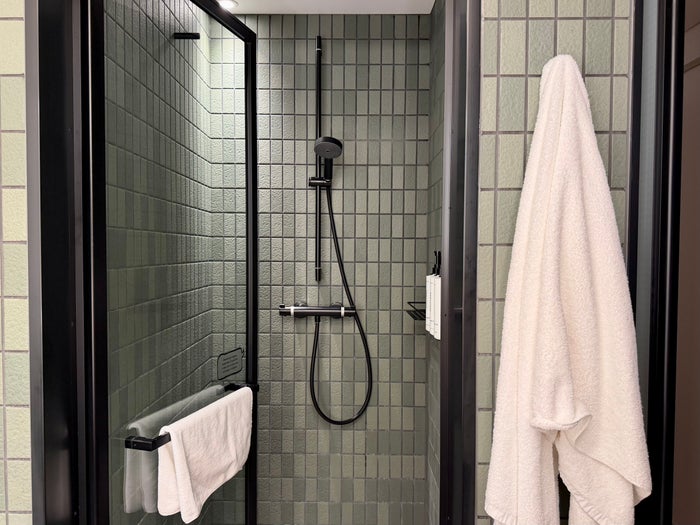
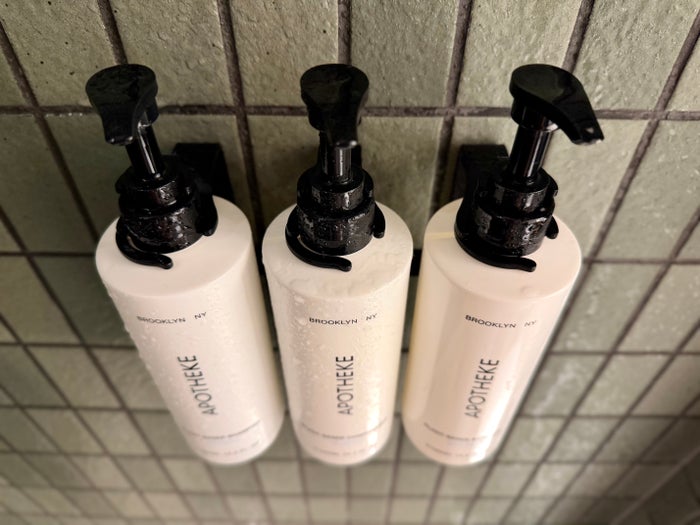
The shower featured handheld and rainfall showerheads.
While we really appreciated the view from the room, the noise from the highway was bothersome when trying to fall asleep, even from 12 floors up.
At least the blackout blinds did their job, making the room completely dark. It was impossible to tell if it was morning or the middle of the night when waking up.
5. Facilities Were Great for Coworking, but Not for Working Out
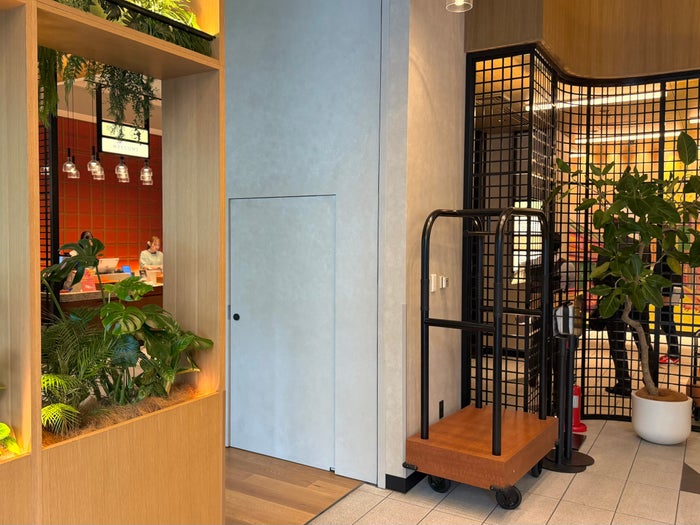
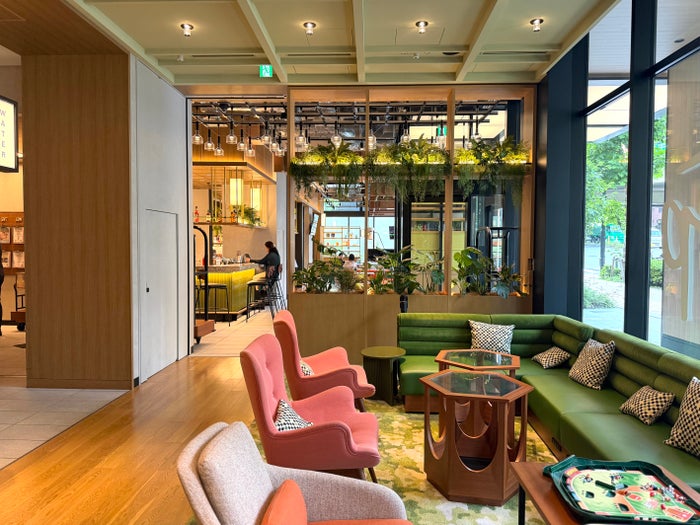
From the outside, the Caption by Hyatt Kabutocho Tokyo looked like any other hotel. Inside, it felt more like a café and coworking space, which is exactly the vibe Caption aims for.
Aside from the luggage trolley, it wasn’t immediately obvious that we were in a hotel. It is designed to be a social hub, and it works.
There are lots of seating areas to relax, eat, chat, work, and even play board games.
There’s also a dedicated coworking space on the second floor. It has comfy solo seating and larger tables for group work.
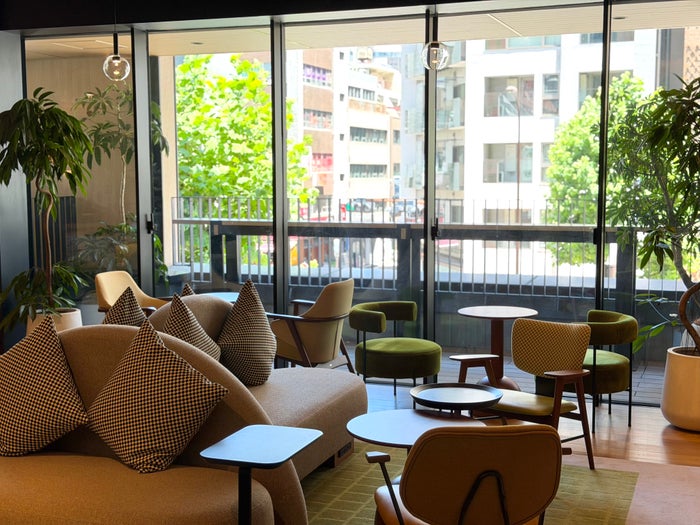
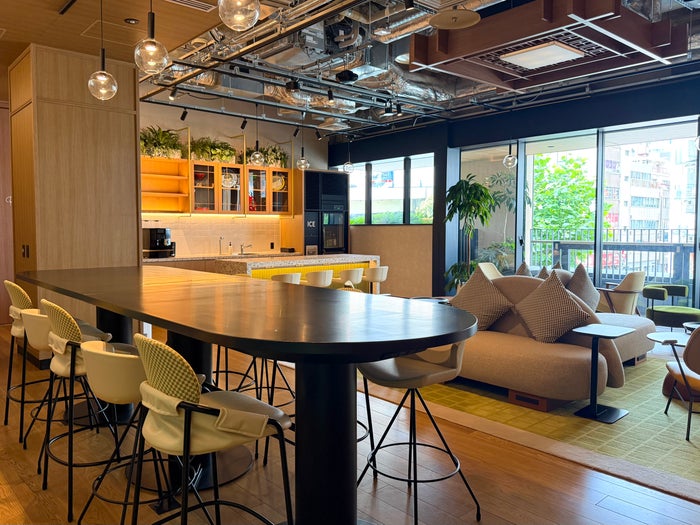
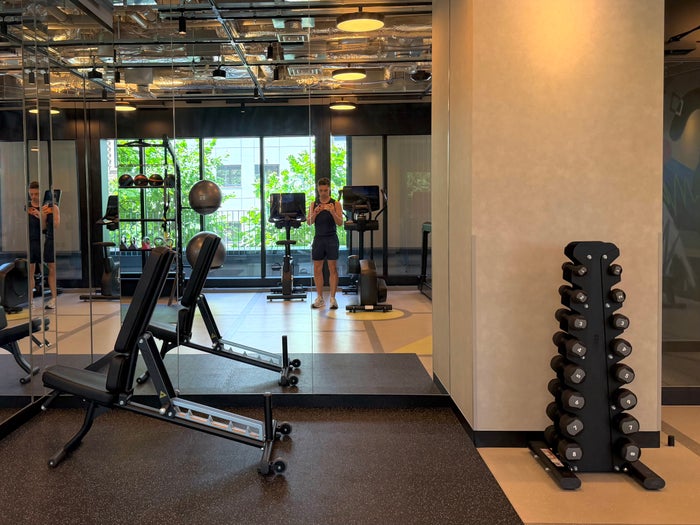
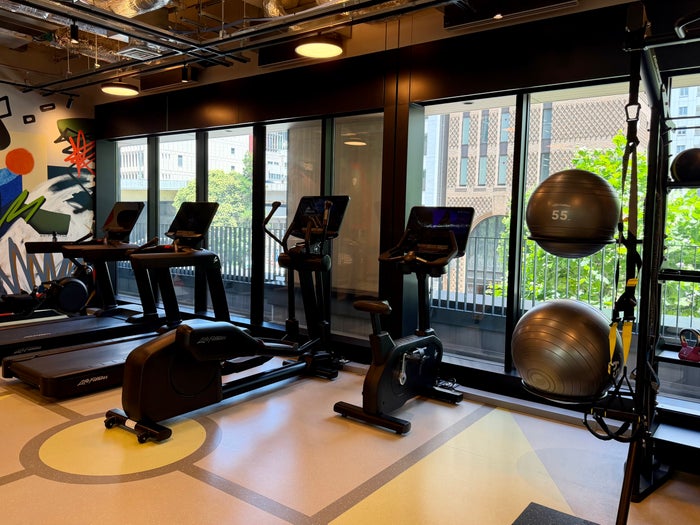
The fitness center is also on the second floor. Sadly, it ended my streak of hotels with well-equipped gyms. I appreciated being able to get an hour of cardio in one morning rather than running in the rain, but I’d never have been able to do a heavy strength workout at this gym.
6. Breakfast Was Disappointing
The only food-and-beverage option was Talk Shop, a hybrid café, restaurant, and social space on the ground floor.
On sunny days, the doors opened fully to connect the inside with the outside. Pavement-style seating like this is pretty rare in Japan, so it was really nice to have.
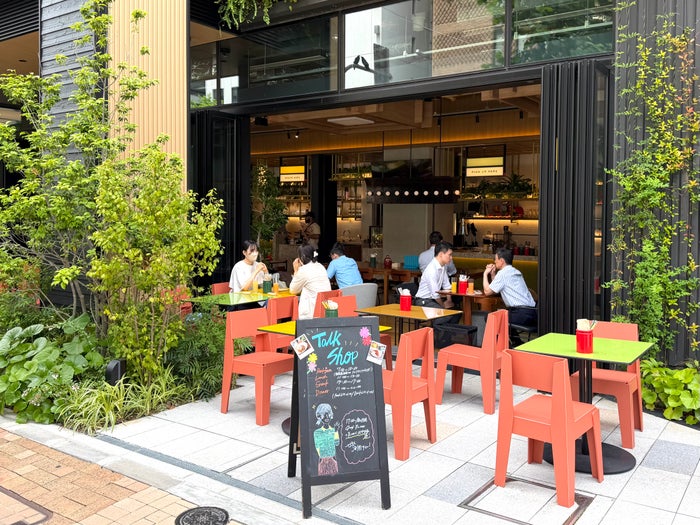
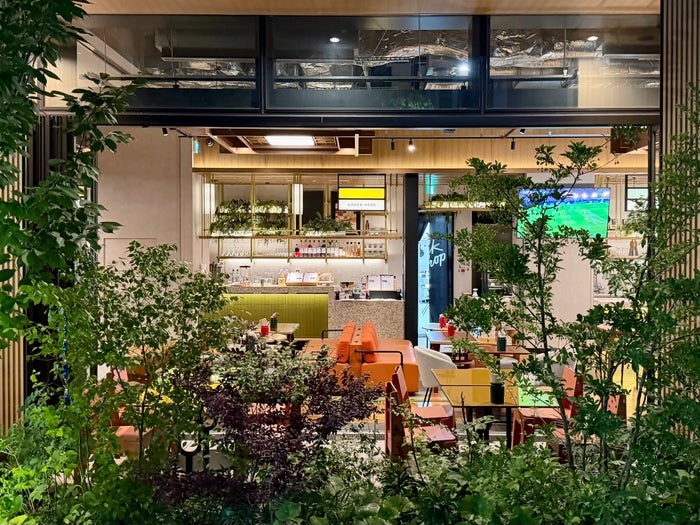
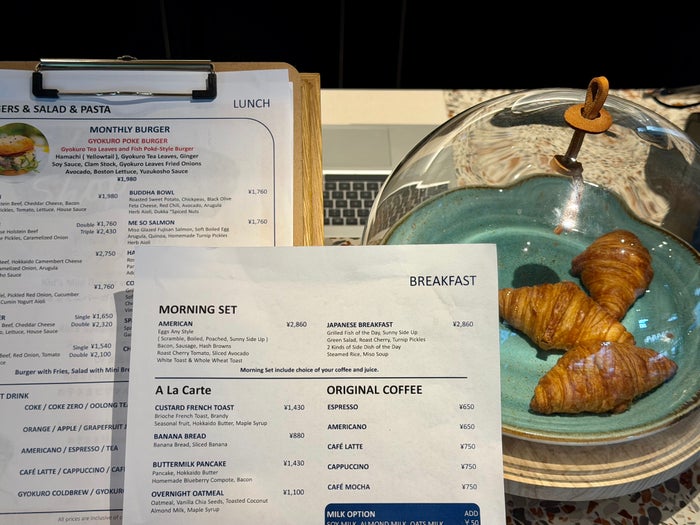
Breakfast is served daily from 7 to 11 a.m. Other than the Japanese breakfast set, the menu is very Western. At around $17 for an American or Japanese breakfast set, it’s expensive compared to other options in the area. Buttermilk pancakes for around $8.60 is much more reasonable.
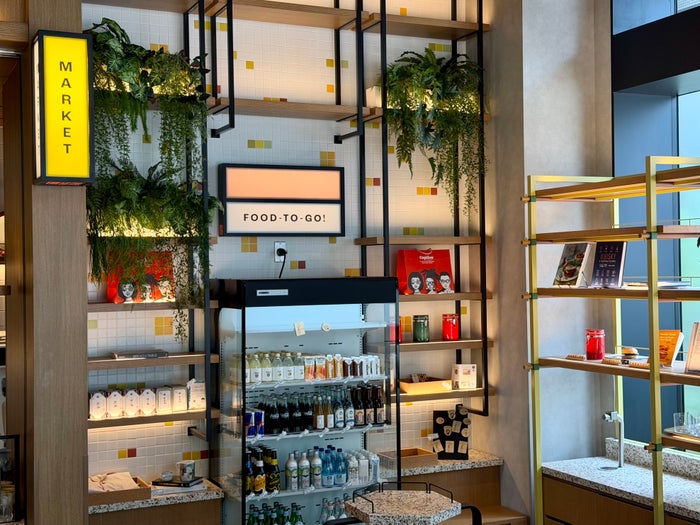
There’s also a 24/7 food-to-go section. Convenience stores in Japan are so good that I didn’t even consider grabbing a snack from here.
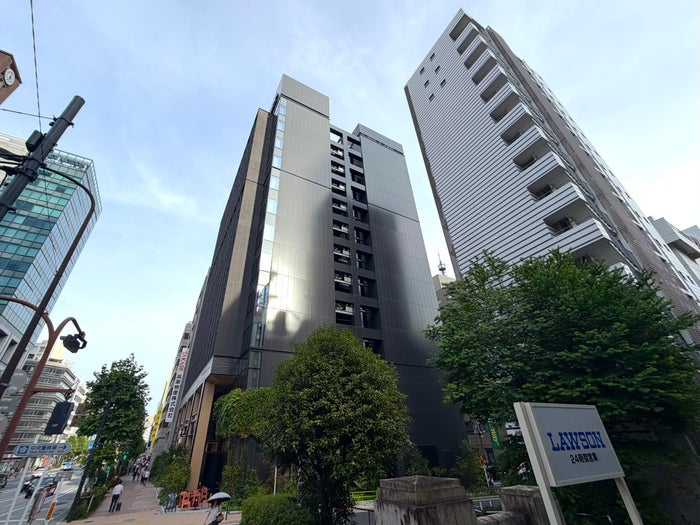
Less than 100 feet from the hotel is a Lawson — my favorite of the big 3 Japanese convenience stores.
Final Thoughts
We enjoyed our short 2-night stay at the Caption by Hyatt Kabutocho Tokyo.
I loved the design, the spacious room with comfortable beds, and the excellent staff. The major downsides were the lackluster, expensive breakfast options and the highway noise at night. I asked about this, and apparently it’s a common complaint. Short of replacing all the windows with double glazing, I’m not sure there’s a lot they’ll be able to do.
I also think the hotel will appeal to a clientele that doesn’t want to stretch their budget to keep up with the neighborhood’s ultra-luxe competition, such as the Aman, Four Seasons, and Bvlgari properties. However, as a leisure visitor, I’d probably only stay here again if I got a good points rate or needed to be in the area for a specific reason.